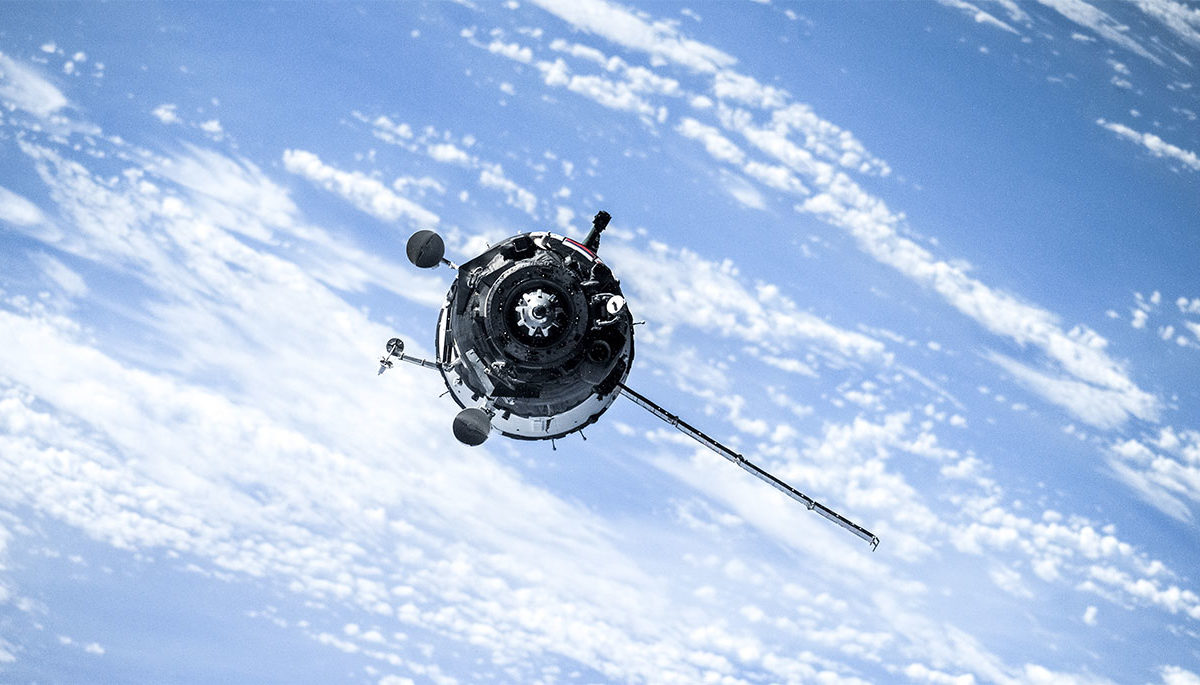
The number of lower earth orbit (LEO) satellite constellation projects is increasing rapidly. With high profile private companies now competing with governments and agencies to launch thousands of satellites, space is getting more congested. LEO constellation satellite developers are increasingly turning towards optical communication, rather than radio frequency intersatellite communication due to the increased throughput and security of data transmission. This form of communication inherently requires new communication terminals capable of stabilizing and steering these beams between satellites.
Piezo Solutions for Aerospace Data Communications
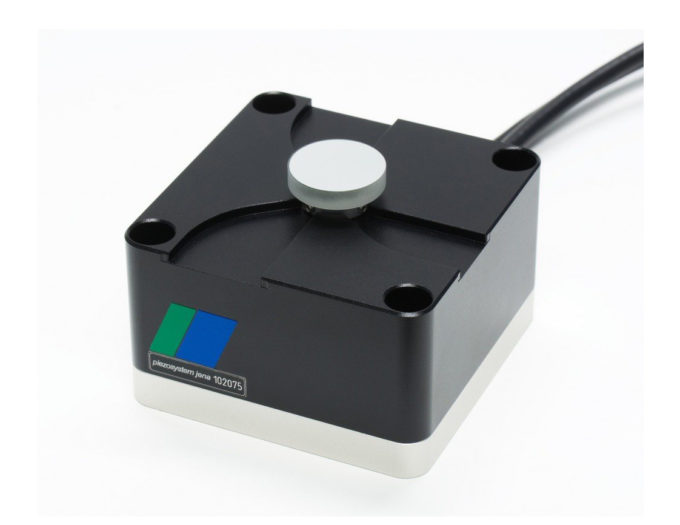
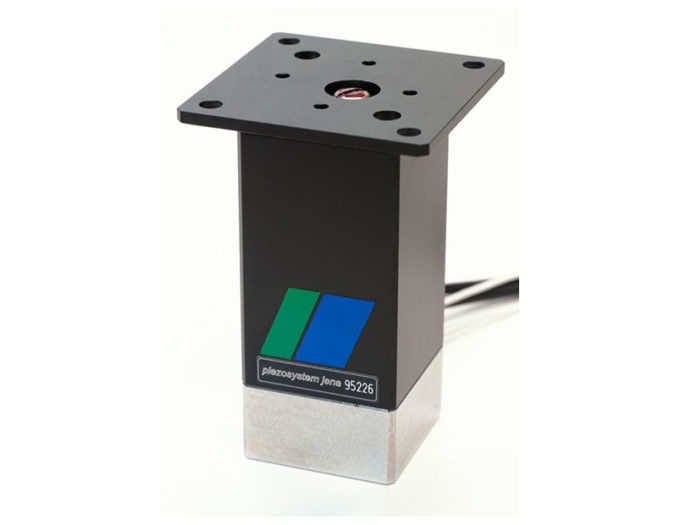
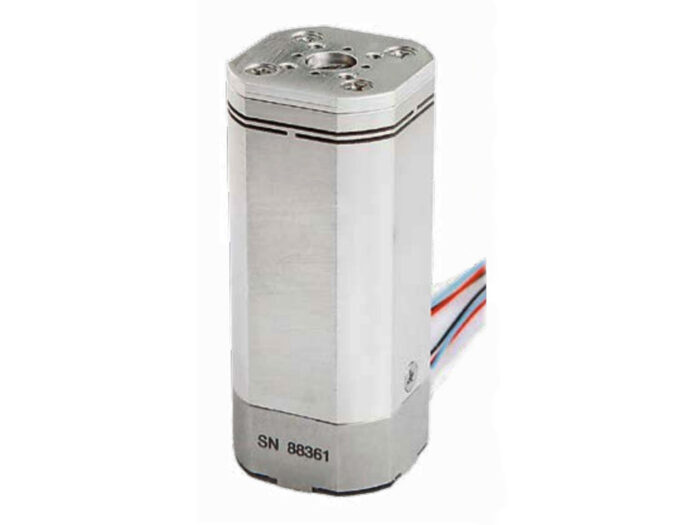
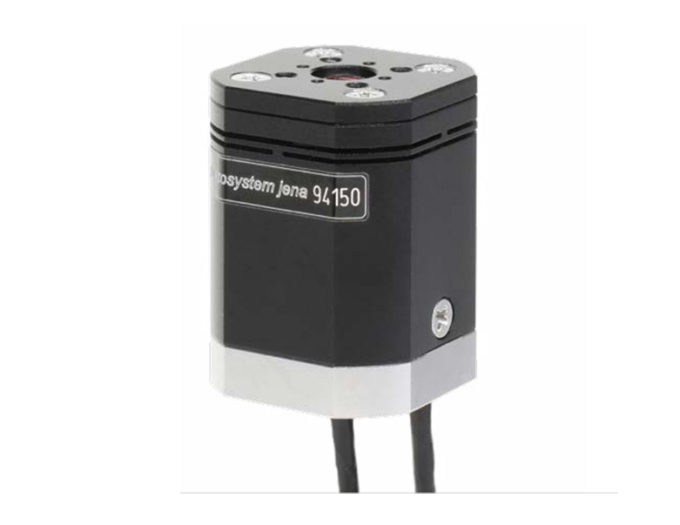
One of the most capable technologies to achieve this beam steering are piezo tip-tilt actuators. Leveraging piezo-ceramic stacks, these tip-tilt actuators are built such that mirrors can be mounted and then deflected at hundreds and up to thousands of hertz. Utilizing solid state flex-hinge designs, these tip-tilt actuators can reach displacements up to 40 mrad across multiple axes, while maintaining resolutions as high as .02 µrad. piezosystem jena has years of experience in developing these piezo tip-tilt mirror stages. From this experience comes the understanding that there are many factors that matter outside of speed, accuracy, and range. Factors, such as the value of space and weight for space bound operations. That is why these systems are developed to be small and lightweight to reduce launch cost. Maintenance is not readily feasible for satellites, which means quality and reliability are paramount for optical guidance systems.
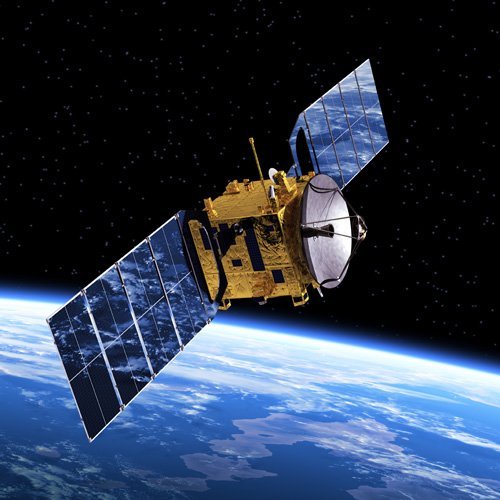
Satellites with fast steering tip-tilt mirrors for directing laser communications are being designed now for launch over the next few years.
Piezoelectric actuators by their nature also bring inherent benefits for satellite operation, such as being radiation resistant, as well resilient to electromagnetic fields while not producing any of their own. This means piezosystem jena actuators will not interfere with nearby electronics, or be impacted by other electronics or radiation. Lastly, and perhaps most importantly, piezosystem jena fast steering mirrors require no power consumption for maintaining position. Piezo-electrics require nothing but a steady voltage and no amperage to hold their position, saving valuable energy onboard satellites.